
Retail is changing.
Once upon a time, stores were just about shelves, products, and transactions. Today, the brands winning globally, from Pop Mart to Gentle Monster, are proving that a store isn’t just a place to buy, it’s a place to feel. Customers don’t just walk out with a product. They walk out with a memory, a story, and a reason to return.
For local businesses, this is an opportunity. You don’t need a global budget to create an impactful experience; you just need to apply the right principles. Here are three design lessons from global leaders that local retailers can use today.
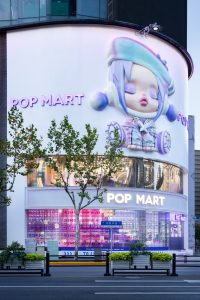
Frame | Pop Mart Store in Shanghai, China
Pop Mart Flagship Store in Shanghai — Turning Retail into a Playground.
Walk into Pop Mart’s flagship store in Shanghai, and you’re instantly transported into a different world. It doesn’t feel like a retail outlet at all, it feels like stepping into a theme park of imagination and play.
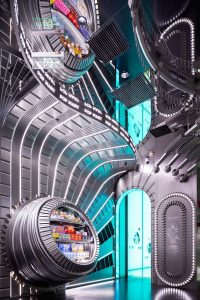
Frame | Pop Mart Store in Shanghai, China
Towering character statues greet you at the entrance, oversized LED screens pulse with animations, and rows of brightly lit displays invite you to wander, explore, and discover. Instead of the usual transactional layout of shelves and counters, the space is designed like an immersive playground, where every corner promises surprise and delight.
Every element of the design, from oversized figurines towering over shoppers to interactive vending machines and rotating seasonal displays, is built to amplify a sense of discovery. Customers aren’t just buying toys; they’re immersing themselves in a world of play, anticipation, and community.
What makes Pop Mart especially powerful is how it taps into the psychology of collectibility. The store layout encourages exploration, with “blind box” stations strategically placed to spark curiosity. Add to that the bold colors, dynamic lighting, and photo-worthy corners, and you have a retail environment that doubles as free marketing; every customer is also a content creator.
Pop Mart shows that retail thrives when it creates reasons to return. For smaller brands, that doesn’t mean building giant mascots, it means designing layers of discovery. A bookstore could introduce limited-edition shelves that rotate monthly. A boutique could spotlight a “mystery rack” with blind-bag accessories. Even a café could turn seasonal drinks into collectible moments with custom packaging. The key insight: design your space to feel fresh and surprising, so every visit feels like a new experience.
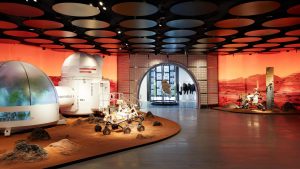
Frame | Gentle Monster Store in Beijing, China
Gentle Monster Flagship Store in Beijing’s SKP luxury mall —Retail as Avant-Garde Art.
Gentle Monster has never wanted to be “just a store.” Their Beijing flagship takes this philosophy to the extreme: walking in feels less like shopping for glasses and more like entering a surreal art installation. Think moving mechanical sculptures, theatrical lighting, and dreamlike spaces that shift your perception of what retail can be.
But the real genius isn’t just the design, it’s the expectation it creates. Customers don’t go to Gentle Monster just to buy eyewear; they go to see what the brand has dreamed up this time. It’s a retail model built on curiosity. Every store worldwide is different, every theme feels fresh, and the result is a brand that stays culturally relevant because people can’t stop talking about it.
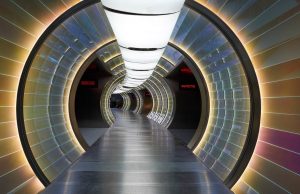
Frame | Gentle Monster Store in Bejing, China
This isn’t about eyewear anymore. It’s about positioning Gentle Monster as a cultural curator, where shopping is secondary to the story. That’s why the brand dominates Instagram feeds and lifestyle publications alike, the store itself is the marketing.
You don’t need animatronics or a gallery budget. What you can borrow is the principle of surprise and reinvention. Refresh your environment regularly, introduce unexpected elements, or partner with creatives outside your industry. Gentle Monster proves that when your space gives people something to talk about, they’ll do the marketing for you.
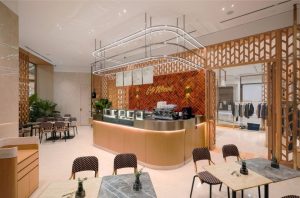
Maison Kitsune | Cafe Kitsune in The Exchange TRX, Kuala Lumpur
Maison Kitsuné The Exchange TRX — Where Shopping Meets Coffee Culture.
Maison Kitsuné has built a reputation not just as a fashion brand, but as a lifestyle. Its secret? Seamlessly blending retail and café culture under one roof. Walk into a Maison Kitsuné or Café Kitsuné location, and you’re not just browsing clothes, you’re sipping a matcha latte, scrolling through playlists, and soaking in the brand’s effortlessly Paris-meets-Tokyo aesthetic.
This hybrid model works because it extends the amount of time customers spend in-store. Instead of a quick browse-and-buy, visitors linger, connect with the space, and form stronger associations with the brand. The café side isn’t just an add-on, it’s a stage for community and culture, turning casual visitors into loyal followers.
For Maison Kitsuné, the result is powerful: a brand that feels alive outside the wardrobe. Customers who grab a coffee also discover the latest collection. Those who come for the clothes often stay for the café atmosphere. It’s a retail strategy that turns a store into a third place, somewhere between home and work where the brand naturally becomes part of daily life.
Think beyond selling one thing. Could a boutique host a coffee corner? Could a bookstore curate live music nights? Could a salon double as a gallery space? By blending retail with lifestyle, you create more reasons for people to visit, stay, and return, and you transform your store from a point of sale into a cultural hangout.
The Bigger Picture: Retail Spaces as Cultural Stages
From Pop Mart’s playground of collectibles in Shanghai, to Gentle Monster’s art-meets-retail theatre in Beijing, to Maison Kitsuné’s blend of fashion and coffee culture, one truth becomes clear: retail is no longer about selling products. It’s about creating moments, emotions, and communities that customers want to return to.
Each brand takes a different route, Pop Mart thrives on discovery and play, Gentle Monster on surprise and spectacle, and Maison Kitsuné on lifestyle and belonging. But they all share the same underlying principle: the store itself is the experience.
The key question is: what role does my space play in my customer’s life? Is it a playground, a gallery, a hangout, or something else? The closer your answer is to an experience rather than a transaction, the stronger your brand will stand in today’s retail landscape.
Bringing It Home
The shift from stores as transaction points to stores as experiences isn’t just a global trend, it’s a lesson any business can apply. That’s why we created Beyond the Grid, our weekly series where we share insights on interior design, retail strategy, and the trends shaping how people experience spaces.
At Wingspan International, we don’t just observe these shift, we help businesses live them. From retail to lifestyle and dining spaces, our team transforms interiors into strategic environments that inspire customers and strengthen brands.
If you’re curious about how design can elevate your business, follow along with our newsletter, and when you’re ready, let’s talk about how we can reimagine your space too.

Beyond the Grid, where design meets business strategy.