
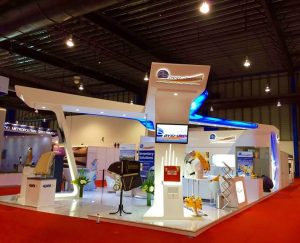
Exhibiting at a trade show or industry exhibition is a significant investment. Between booth design and build costs, floor space fees, logistics, staffing, and travel, the numbers add up quickly. Yet many companies treat the exhibition itself as the entirety of their strategy — they show up, they exhibit, they pack down, and they wait to see what happens.
The companies that consistently see strong returns from exhibitions think about it very differently.
Before the Show: Preparation Is Everything
The work that determines exhibition success happens weeks before the show opens. This begins with clarity on objectives — are you launching a product, generating leads, strengthening relationships with existing clients, or raising brand awareness in a new market? Your answer shapes every decision that follows, from booth design to staff briefing to the conversations your team should be having on the floor.
Your booth design should be briefed and finalised well in advance, not rushed in the final weeks. This gives your design and build partner time to refine the concept, address practical considerations, and avoid the costly last-minute changes that come from compressed timelines. It also gives you time to align your broader marketing activity — social media, email, PR — with your exhibition presence so that visitors arrive already familiar with your brand.
During the Show: Making Every Conversation Count
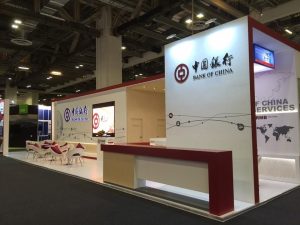
A well-designed booth creates the conditions for good conversations. It draws people in, communicates credibility, and gives your team the right environment to do what they do best. But the booth is only the stage — your team is the performance.
Brief your staff clearly on the goals for the show and the key messages to communicate. Ensure they know the booth layout well enough to use it intentionally — guiding a casual visitor toward the product display, moving a serious prospect to the meeting area. Collect contact information consistently and take notes on conversations while they’re fresh.
Small operational details matter more than people expect. Having water and refreshments available, ensuring the booth is tidy throughout the day, and making sure all displays and technology are functioning correctly all contribute to the overall impression your brand makes.
After the Show: Where Most Companies Drop the Ball
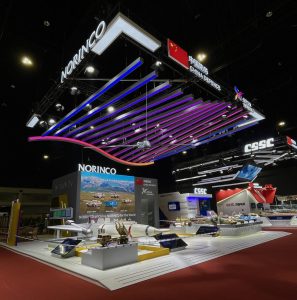
The exhibition ends, the booth comes down, and the real opportunity begins — and most companies squander it. Research consistently shows that the majority of exhibition leads are never followed up effectively. Contacts go cold, notes get lost, and the momentum built on the show floor dissipates within days.
Build your follow-up process before the show, not after. Know exactly how leads will be logged, who is responsible for follow-up, and what the sequence of communication looks like. A warm lead followed up within 48 hours is an entirely different conversation from the same lead contacted two weeks later.
Also take time to evaluate the exhibition honestly. What worked in the booth design? What would you change? Which conversations were most valuable, and why? These reflections feed directly into making your next exhibition even stronger.
At Wingspan International, we don’t just design and build booths — we help our clients think through their exhibition strategy from start to finish. If you want to make your next show your most successful yet, get in touch with our team today.